From textile industry to technology companies
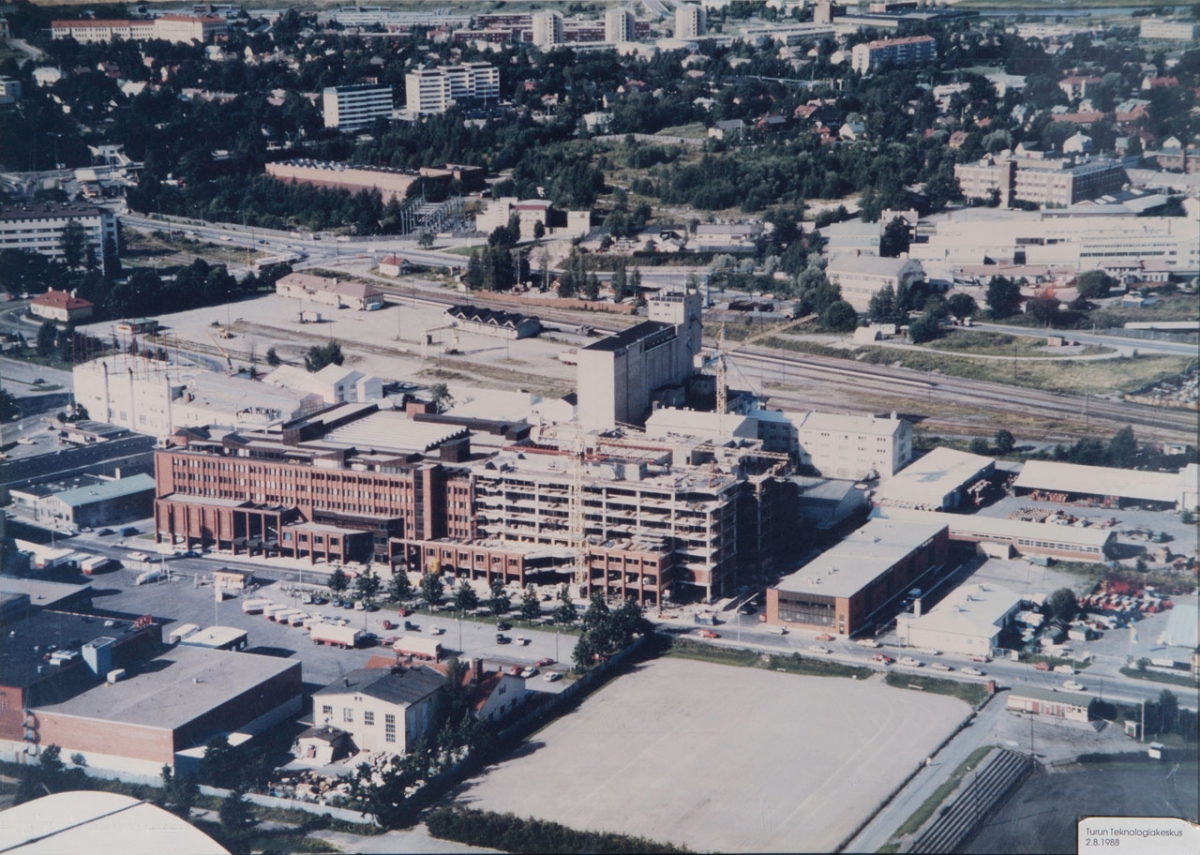
Turun Tiedepuisto sai alkunsa DataCityn rakentamisesta vuonna 1988. Taustalla oli ajatus saada turkulaiset korkean teknologian yritykset ja akateeminen tutkimus saman katon alle. Hankkeen alkuna oli rakennuttaja, kiinteistöneuvos Juhani Lundenin idea ”ATK-talosta,” joka sai nimekseen DataCity. Muokkaus!
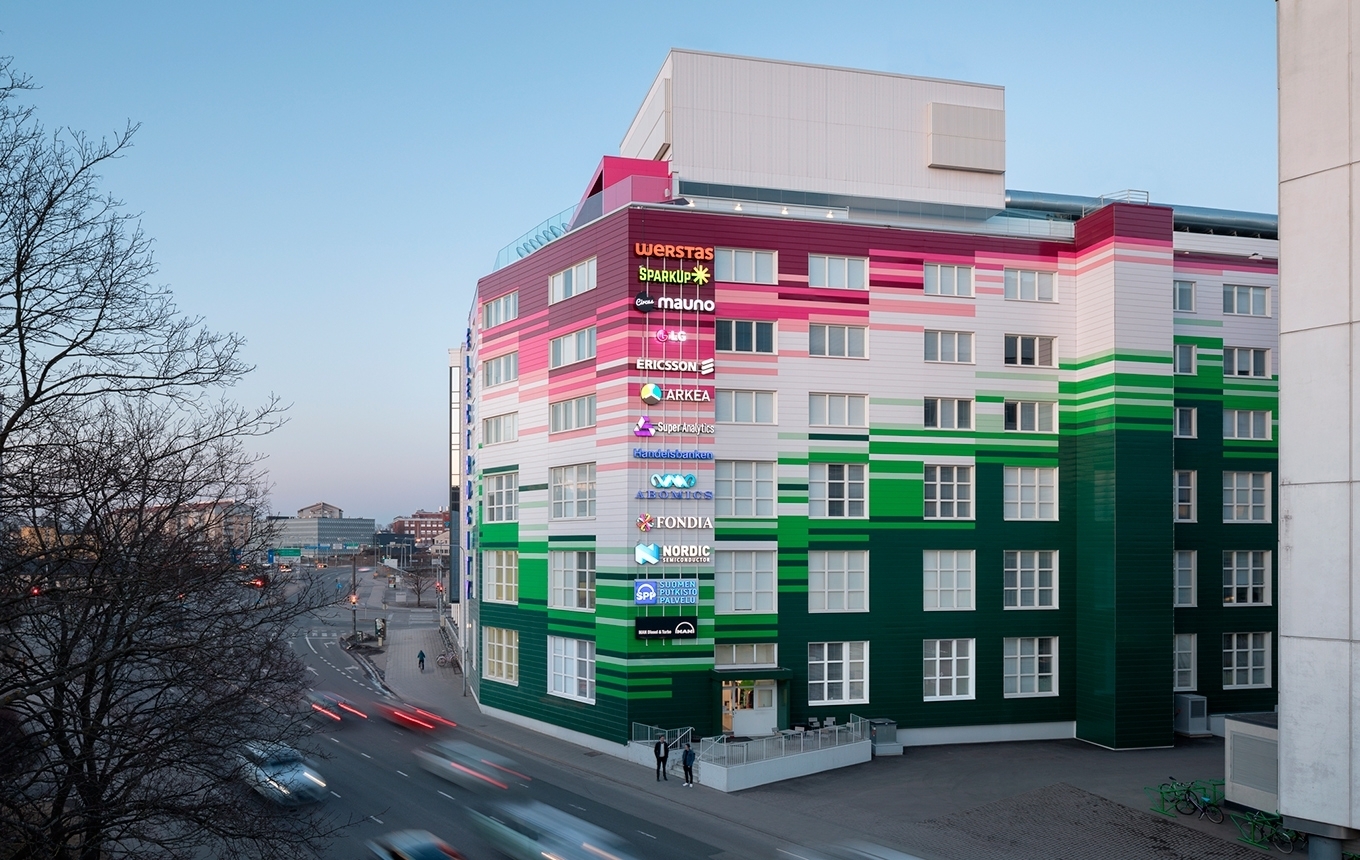
The history of the ElectroCity property in the textile industry
ElectroCityn kiinteistön menneisyys liittyy tekstiiliteollisuuteen. August Laurén perusti 1928 trikooteollisuuden alalla toimineen Kudos Oy Silon. Silo vakiinnutti 1930-luvulla asemansa maan toiseksi suurimpana trikootehtaana. Ensimmäinen oma tehdas rakennettiin Kupittaanpuiston ja Kupittaan aseman väliselle teollisuusalueelle Lemminkäisenkadun varrelle vuonna 1942. Vanha Silon teollisuuskiinteistö uudistettiin ja laajennettiin high tech -yritysten toimitiloiksi vuonna 1989. ElectroCity peruskorjattiin vuonna 2015, jolloin akoi myös myös coworking-tila Werstaan toiminta. Muokkaus 2!
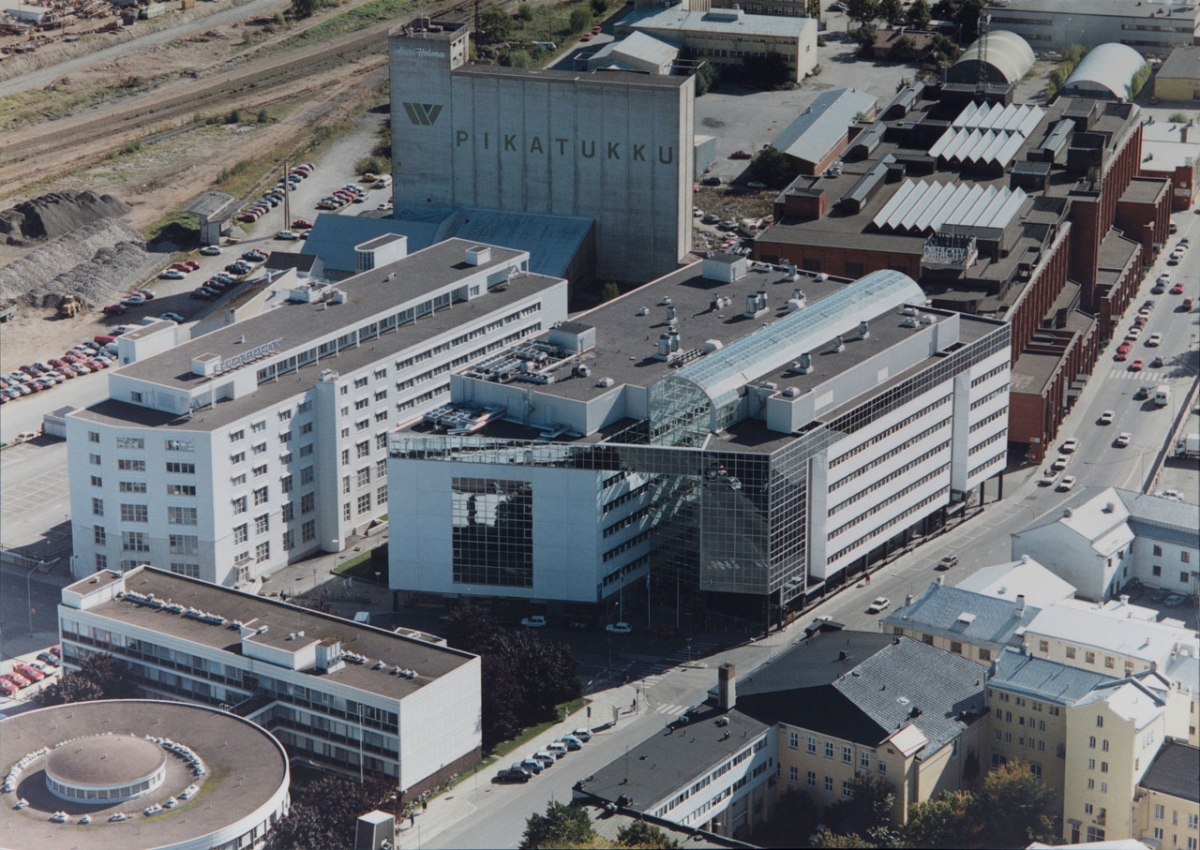
Upon completion, BioCity was the most modern biotechnology center in Finland
Kolmikerroksisen kehräämön jatkeeksi 1990-luvun alussa rakennettu BioCity oli valmistuessaan Suomen modernein bioalan keskus. Uuden hankkeen lähtöajatuksena oli bioteknologian keskuksen perustaminen Turkuun, sillä bio- ja lääkealalta odotettiin suurta kasvua. Tätä varten tarvittiin lisää laboratorio- ja tuotantotilaa. Perusajatuksena oli bioalan kasvun turvaamisen lisäksi myös korkeakoulujen ja tutkimuslaitosten osaamisen hyödyntäminen ja käytäntöön soveltaminen. BioCityssä sijaitsee bioalan toimijoiden lisäksi turkulaisen valtiomiehen, presidentti Mauno Koiviston mukaan nimetty kokous- ja kongressikeskus, joka vihittiin käyttöön vuoden 1993 lopussa ja uudistettiin vuonna 2013. Muokkaus 3
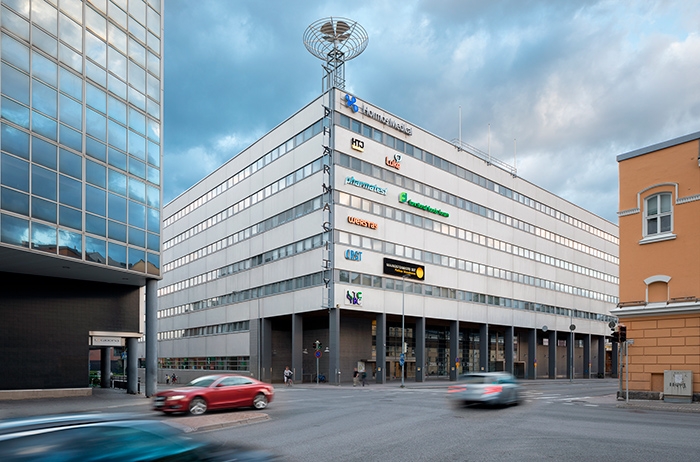
PharmaCity was completed in 2002
PharmaCity was completed in 2002 at the corner of Lemminkäisenkatu and Itäinen Pitkäkatu, next to BioCity and ElectroCity. The growth of the bio and pharmaceutical sectors created an acute shortage of research and development premises. The goal was to meet this need by building PharmaCity, with laboratory and office spaces designed according to the needs of future users. Two low-rise buildings were demolished from the site: the HK Ruokatalo production facility and old warehouse spaces. The area has been the location of the slaughterhouse of LSO Osuuskunta, the predecessor of HK, with a history dating back to 1913.
The history of the Intelligate office buildings dates back to 1992
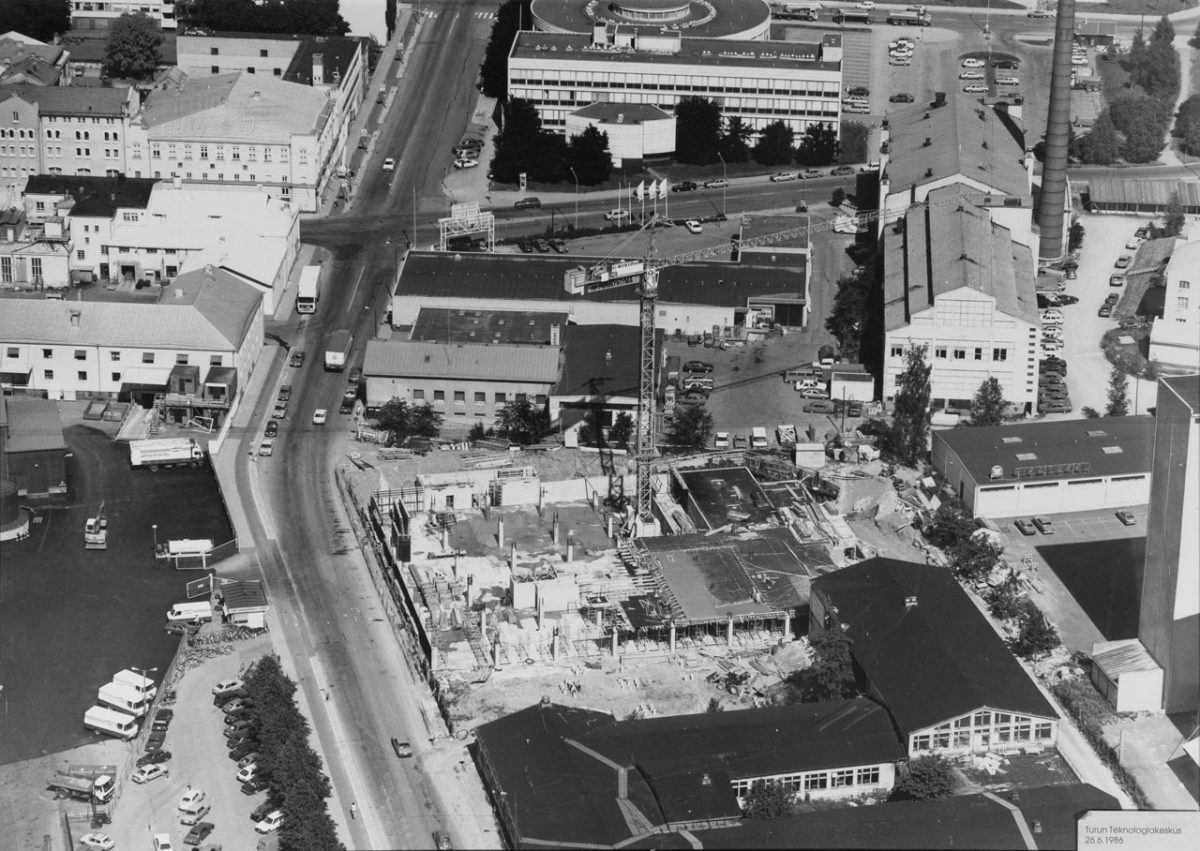
The history of the Intelligate office buildings dates back to 1992, when an architectural competition was held for the design of the entire Kupittaa center. The winning design included the Kupittaa railway station, a commercial building, and an office complex. The station building was the first of these to be completed in 1995. The Intelligate complex includes three interconnected office and commercial buildings, the first of which was completed in 2006 and the second in 2013. The third Intelligate was long awaited, until 2020, when Sokos Hotel Kupittaa opened in the property.
In 2006, ICT-City was built on the site of the former Anni Helena grain silo
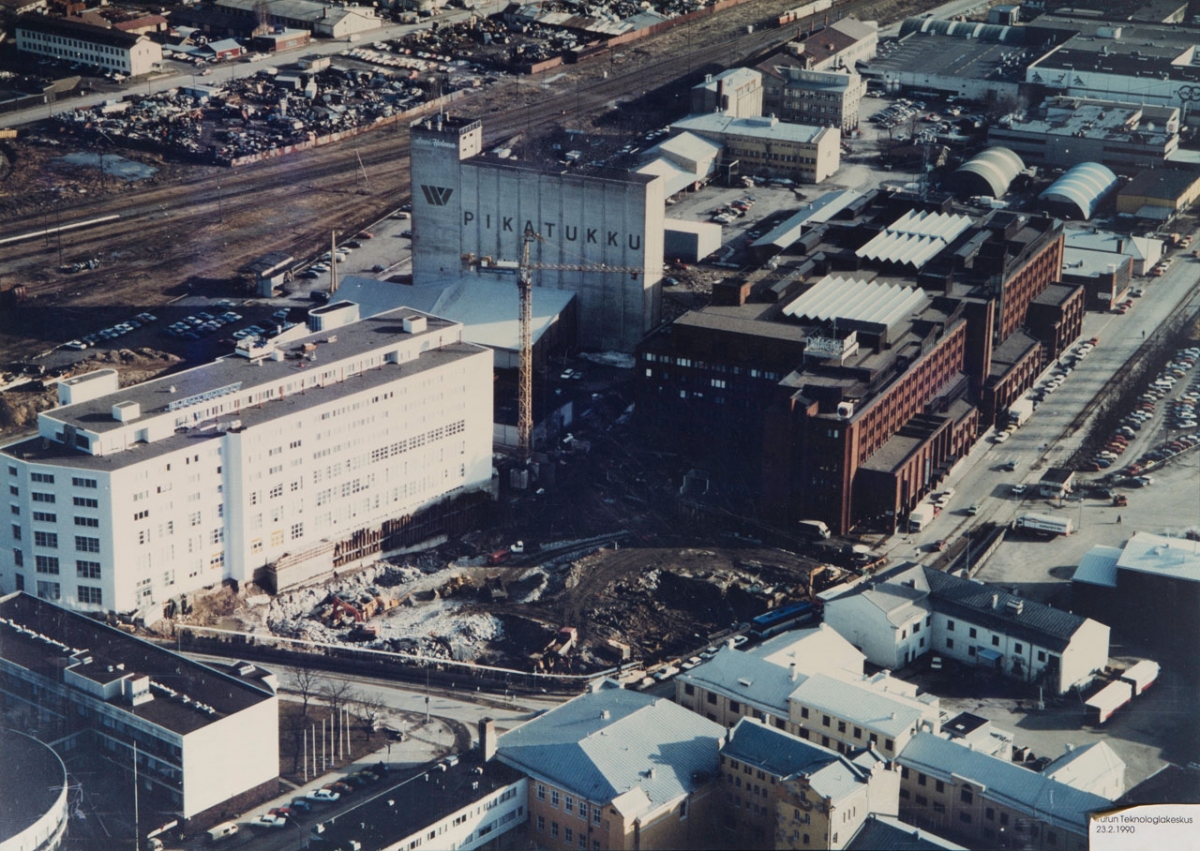
Information technology education from the University of Turku, Åbo Akademi, and Turku University of Applied Sciences has been centralized in the building. Turku University of Applied Sciences centralized its education to the Science Park (except for the Arts Academy) when the new campus building EduCity was completed in 2020. The top floors are office spaces for companies, and today EduCity is home to companies such as Nordea and Cloetta.