Everyone working in an office can imagine an office where they wouldn't want to work. But what is an office where people want to work? Are there as many answers as there are respondents, or can we find a common definition for an attractive office?
Työympäristöt vaikuttavat suoraan hyvinvointiimme – huomaamme sen erityisesti silloin, kun tila ei toimi. Jatkuva häly, sekavat visuaaliset ärsykkeet tai huono sisäilma kuormittavat niin kehoa kuin mieltäkin. Toisaalta hyvin suunniteltu ympäristö voi tukea keskittymistä, vähentää stressiä ja auttaa palautumaan jo työpäivän aikana. Tätä on muokattu 14.8.2026.
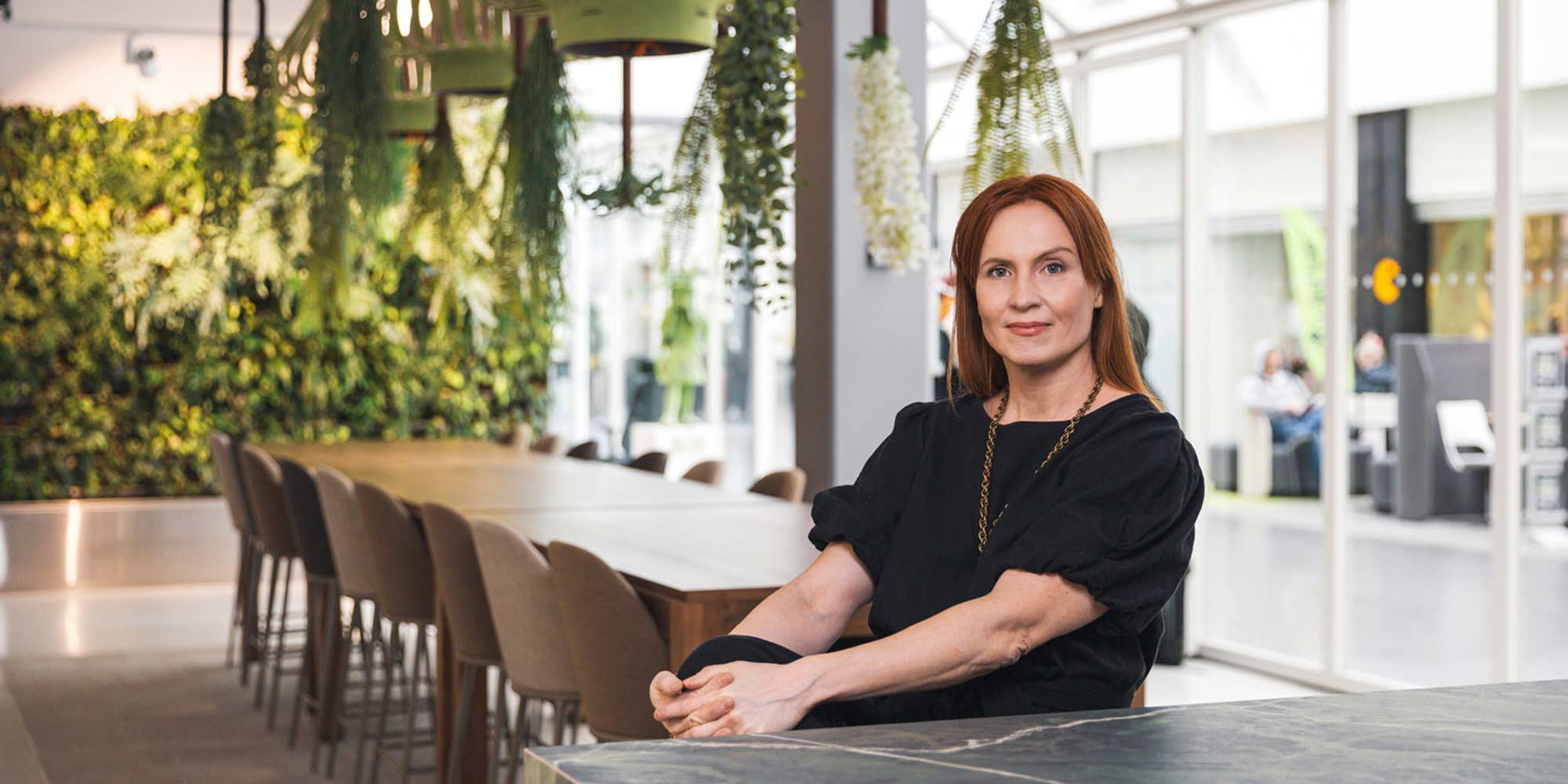
– Simply put, an attractive office is a space where it is pleasant to be, work, and meet colleagues and stakeholders. Versatile and user-oriented spaces enable efficient work, promote well-being, and support a sense of community, says interior architect Leena Arola from Haroma Interiors.
The design of business premises always starts with the users of the space and their needs. Even if there were two identical spaces used by companies in the same industry, an attractive office can mean different things to them.
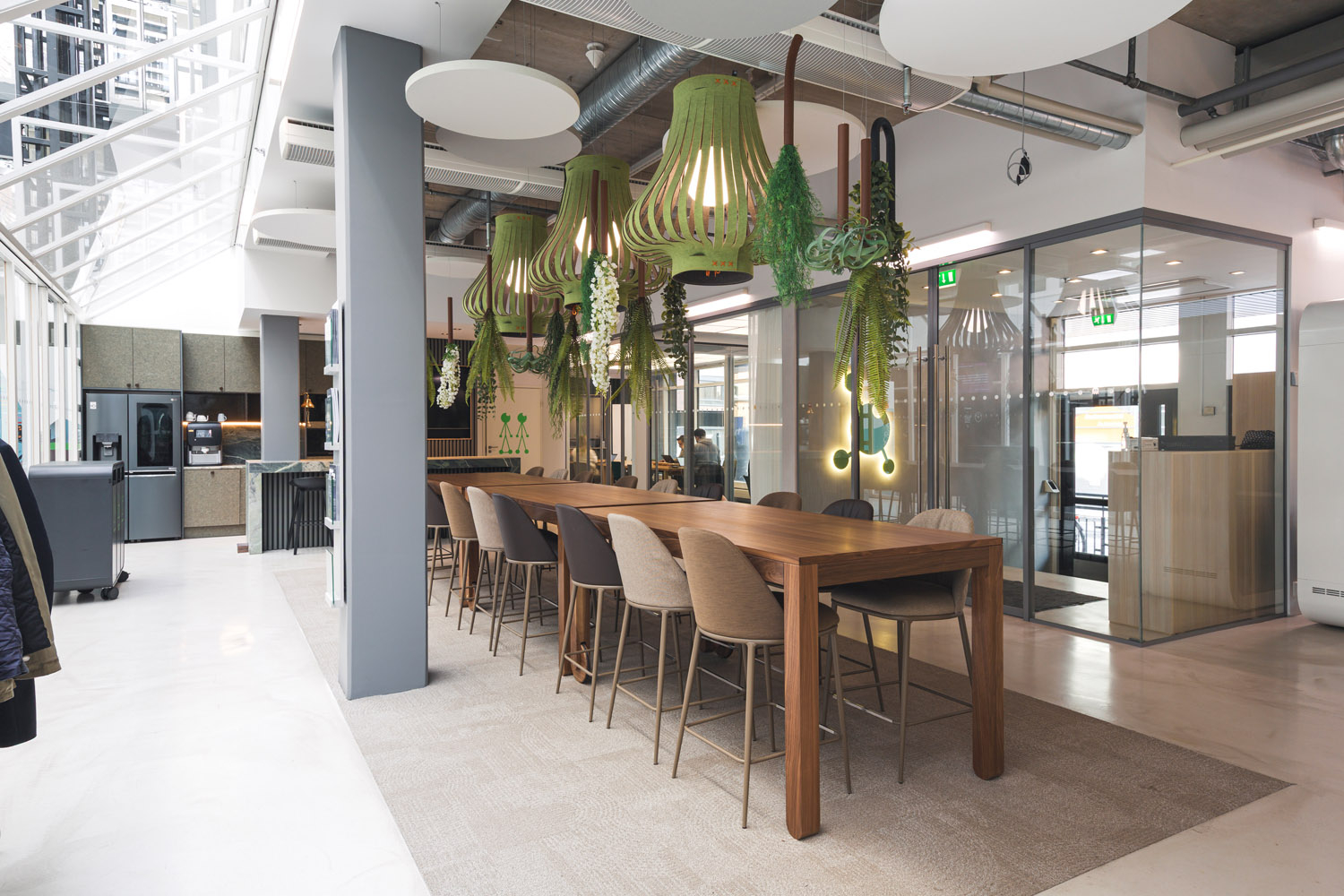
– The space reflects and, in the best case, supports the company culture. Especially in the office of an organization practicing hybrid work, the need for encounters is emphasized, which is why one wants to invest in attractive cafe and collaboration spaces, whereas in organizations focusing on on-site work, one must also ensure that employees can work without interruptions. In offices that prefer on-site work, it is also worth investing in spaces free from sensory stimuli and biophilia, i.e., the presence of nature in the office, which promotes recovery from work during the workday.
When designing workspaces, the key is to create a positive spatial experience. The most reliable way to achieve this is by listening to employees, for example through interviews or workshops. Edit!
– In an ideal situation, space planning considers not only the wishes and needs of the employees but also the values of the company. Through the spaces, the company's values can be brought into the operating culture and, for example, promote openness or innovation. Well-designed spaces can also show appreciation towards employees. Spaces create experiences and tell a story that affects not only the comfort of the employees but also the images formed about the company, for example in recruitment situations.
When employees get to influence the design of the spaces, the work environment feels personal and functional. A shared space etiquette, such as agreed-upon ground rules regarding sound levels and the use of spaces, improves work peace and facilitates collaboration. Additionally, aesthetics have a major impact on comfort. Harmonious color schemes, natural materials, and houseplants support both work efficiency and concentration. Ergonomic furniture, such as height-adjustable desks and high-quality office chairs, promotes endurance at work and well-being.
– A good rule of thumb is that spaces intended for long-term work and concentration, such as workstation areas and quiet spaces, should be decorated in calm and harmonious tones. Instead, one can bring more color and dynamism into collaboration spaces, which support interaction and creativity.
By far the most distracting thing for people in workplaces is the soundscape, which is why spaces should be designed so that soundscapes vary in different parts of the office. Additionally, many crave the possibility to control lights and temperature. Also, visual security, i.e., the ability not to see movement or be seen oneself, can in certain situations facilitate concentration and create well-being.
– A work environment that takes into account the needs of employees and promotes a sense of community attracts the best talent and increases work well-being and productivity. Such an office is not just a workplace, but an inspiring space where people enjoy themselves and develop.